A COLLECTOR’S PERSPECTIVE / OCTOBER 2026
The pleasure of looking.
On attention, instinct and finding a point of view of your own.
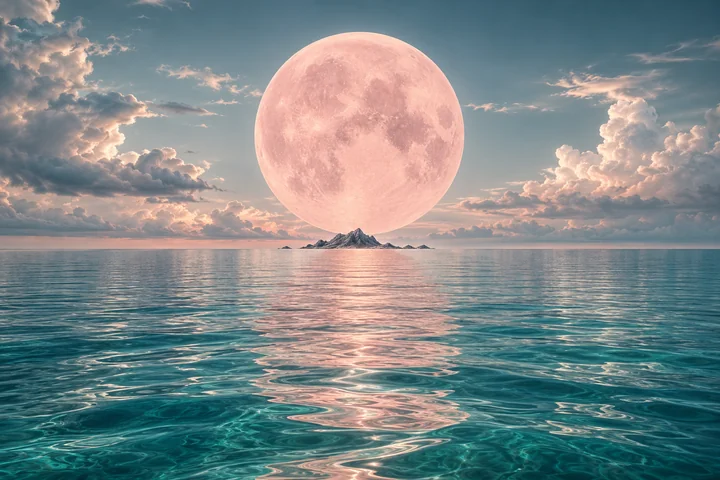
Before there is a collection, there is a moment. You pause in front of an image. Something about its colour, its quietness, or its odd sense of space makes you look again. You may not yet know what it means. You do not have to.
We spend much of our day reading images quickly. A feed teaches the eye to recognise and move on. Art asks for something a little different: the possibility of staying. Give a work another thirty seconds and the thing you first noticed may no longer be the most interesting part.
Start with what you see. Is the composition open or enclosed? Does a colour feel close or distant? Where does your eye return? These are observations, not tests. There is no correct response hidden behind the image.
It can help to imagine the work in the ordinary rhythm of a day. How might it feel in morning light? Would its energy settle a room or interrupt it? The best relationship with an artwork is often built through repeated encounters rather than a single decisive impression.
Looking at different kinds of work can also clarify a preference. A restrained line may say more to you after an encounter with an expressive painting. A familiar landscape may become strange beside an imagined sea. The collection is not a ranking; it is a conversation.
Saving a work is a useful way to leave the conversation open. Return after a few days. Notice what still draws you in, and what you no longer need to keep. A personal collection can grow from that patient attention.
You do not need a vocabulary of movements and techniques to begin. Knowledge can deepen the experience, but curiosity is enough to open the door. Look closely. Take your time. Let your point of view arrive in its own way.
Explore the first collection ↗